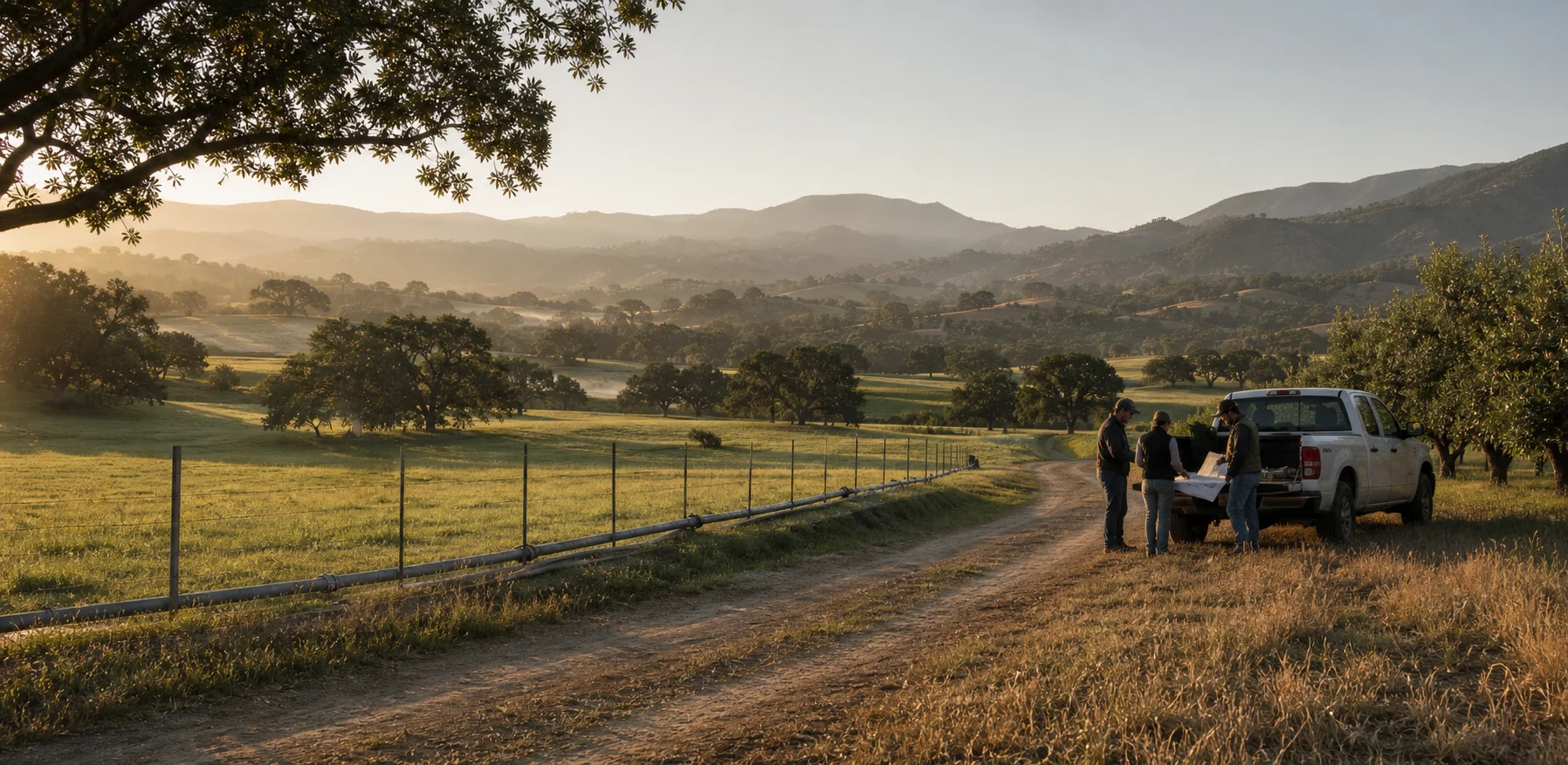
Field-ready resilience for working land.
SARF supports small and mid-sized agricultural producers through water resilience, regenerative agriculture, workforce development, and technical assistance, alongside conservation implementation and program readiness across the Sierra foothills.
To expand regional implementation capacity: preparing producers for funding, coordinating technical assistance, and reducing the administrative burden agencies and partners carry.
Small and mid-sized producers, working-land partners, and the agencies and programs that need field-ready, fundable projects.
We move a producer's need through intake, eligibility review, documentation, technical assistance coordination, implementation, and reporting.
SARF exists to expand regional implementation capacity across the Sierra foothills: preparing small and mid-sized producers for funding, coordinating technical assistance, and reducing the administrative burden that keeps fundable projects from getting built.
Operational support, from producer intake to field implementation.
SARF organizes the practical work that often sits between a producer's field condition and a fundable, partner-ready project.
Producer intake & eligibility review
Producer intake and eligibility review organize the request, location, timing, and program fit before anyone is sent into a maze.
Grant readiness support
Missing-document lists, match questions, application timing, and concise readiness briefs for the next step.
Technical assistance navigation and coordination
Route producers to the right technical partner with field context, documentation, and a practical question attached.
Irrigation modernization planning
Water-source notes, pump and distribution constraints, vendor context, and SWEEP-ready planning support.
SWEEP / HSP coordination
Align producer needs with CDFA, USDA, NRCS, RCD, and conservation pathways without overstating partnership status.
Demonstration projects
Working-land sites where practices, constraints, and implementation lessons can be documented in the field.
Workforce development coordination
Field days, training pathways, apprenticeships, and implementation skills connected to real agricultural work.
Conservation implementation support
Project coordination, documentation follow-through, reporting support, and practical next-step accountability.
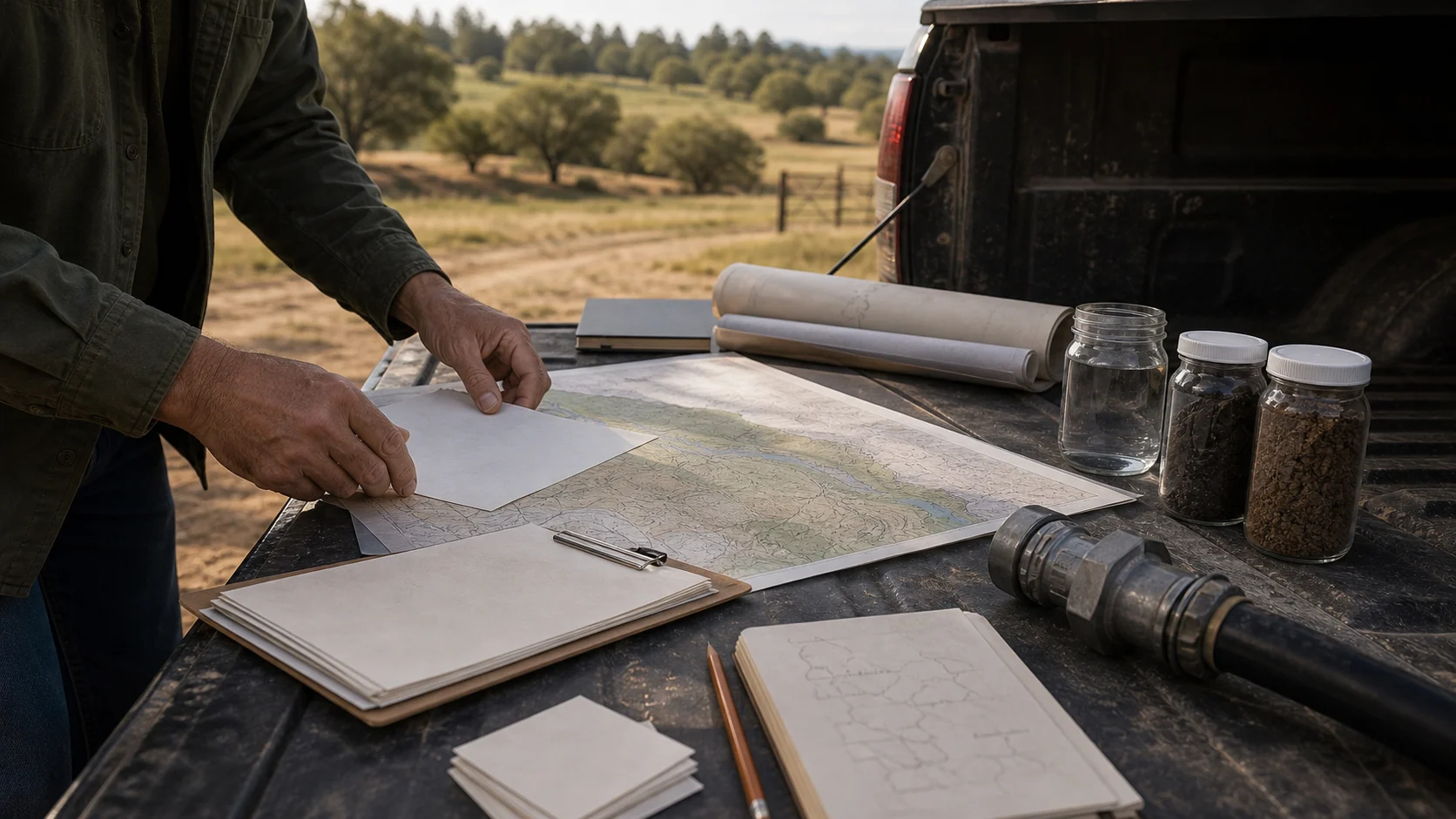
A simple implementation process, from field context to accountable follow-through.
The framework gives agencies and funders a clear operating model while keeping the producer's practical needs at the center.
Producer intake and eligibility review
SARF starts with the operation: producer context, location, season, water and soil conditions, documentation gaps, and likely program fit.
Planning and partner coordination
The field record becomes a readiness packet that can move to technical assistance providers, RCDs, universities, nonprofits, agencies, or funders with the right question attached.
Implementation support
Projects move from planning into practical action: irrigation modernization, soil health practices, conservation work, demonstration activity, or workforce training.
Implementation and reporting
SARF tracks the route, closes the loop with producers and partners, and prepares evidence for grant, program, and regional impact reporting.
Strategic priorities, in execution.
SARF is an operating organization, not a concept. These are the priorities the team is building against today, with Rancho Machete as the first proof on the ground.
Prove the model on real ground
Rancho Machete in Nevada County is the active demonstration site, where practices, constraints, and implementation are documented in the field rather than described on paper.
Move producers through the pipeline
Real producer needs run through intake, readiness review, and routing, so the operating model is tested on live operations.
Build the partner network
Working relationships with conservation districts, technical assistance providers, universities, and agencies, established as projects require them.
Formalize governance and oversight
Board leadership, advisory capacity, and technical collaborators seated as the foundation matures.
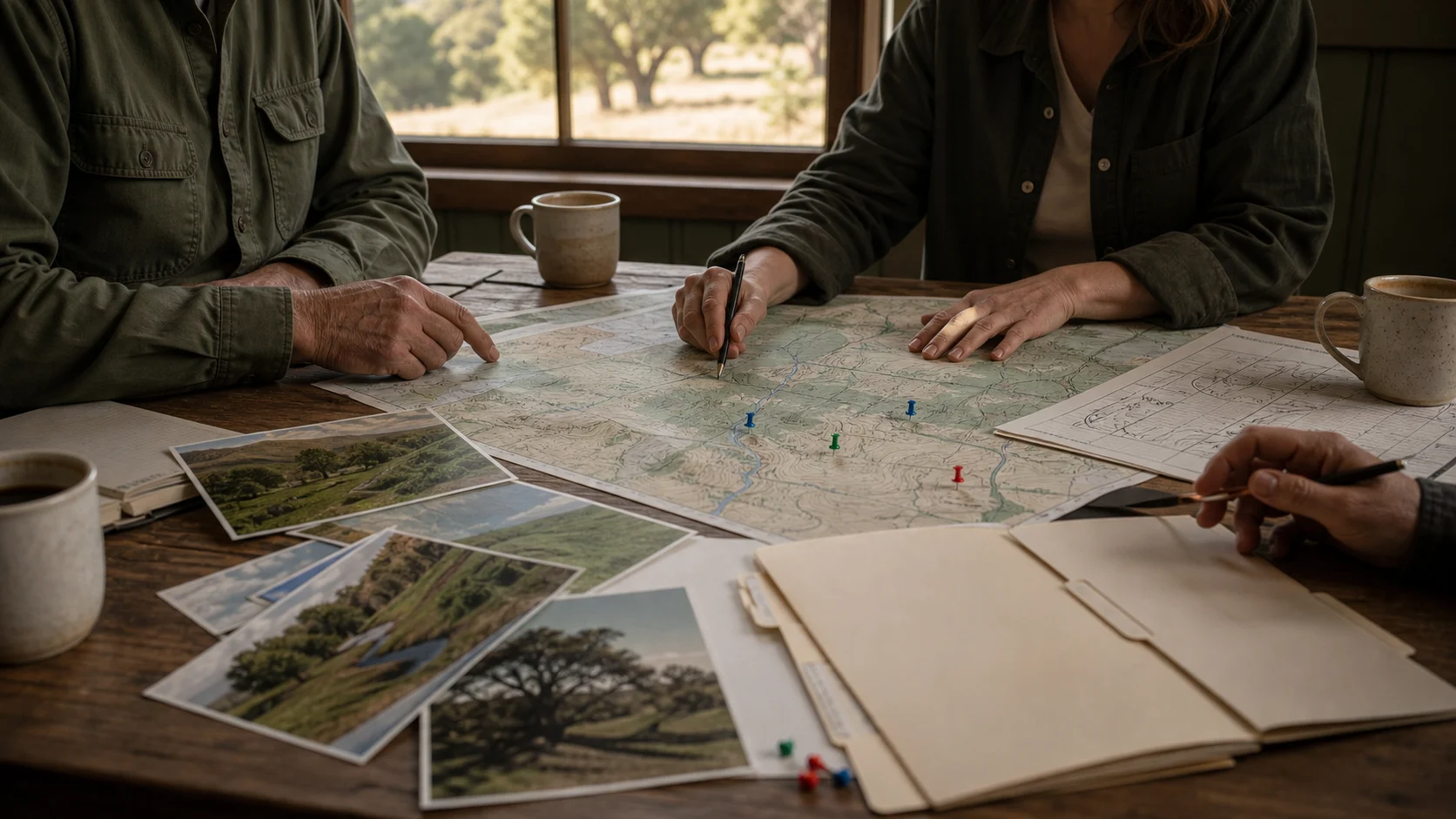
Regional alignment without duplication.
Regional alignment means SARF extends regional implementation capacity and complements existing organizations rather than competing with them. We prepare the field context, support producer readiness, and coordinate the next responsible step before outside engagement.
Clear leadership, advisory capacity, and technical collaboration as the organization matures.
Named board leaders, advisors, and collaborators should be added as they are formally established.

The evidence we publish as the work delivers it.
Services, demonstration, and coordination.
Producer readiness
Field records, documentation support, and program navigation.
Open Services →Demonstration ground
A working site where conditions and practices can be documented.
Open Field Lab →Partner handoff
The right question routed to the right table with context attached.
Open Coordination →
Bring the field condition. Leave with a route.
Producers, implementation partners, agencies, and funders can begin with the same first step: a clear inquiry grounded in real field context.